
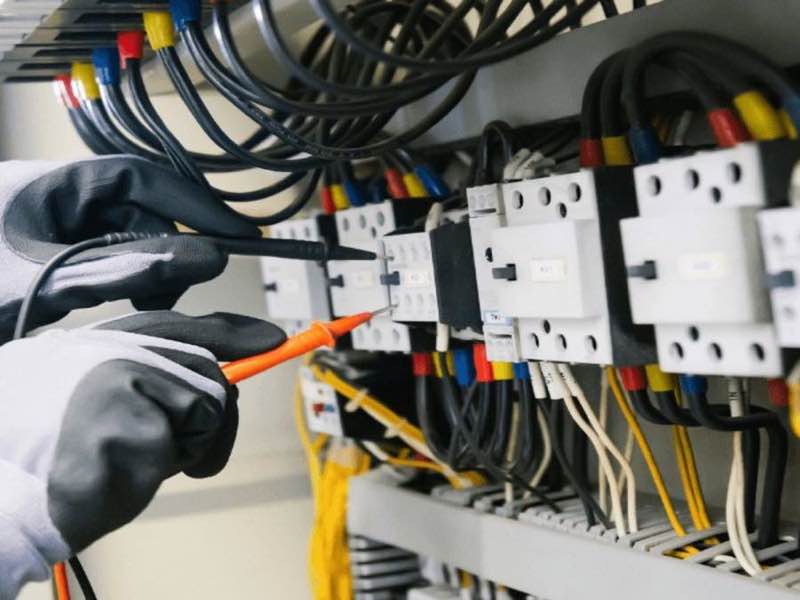
An electrical sub-panel gets recommended constantly and understood rarely. Homeowners hear it as the answer to “my panel is full” or “I don’t have enough power,” and only one of those is what a sub-panel fixes. Getting that distinction right before you spend anything is the difference between solving your problem and paying to relocate it.
A sub-panel is a second breaker panel fed from your main service panel. It adds breaker spaces and moves distribution closer to where power is used, which is why ADUs, detached garages and clusters of high-load appliances need one. What it does not do is increase how much power your home can draw. If your service is already at its limit, a sub-panel does not help, and the fix is a service upgrade instead. A load calculation tells you which situation you are in.
What a Sub-Panel Does, and the One Thing It Does Not Do
A sub-panel is a subordinate breaker panel fed from the main service panel and protected by a breaker in the main. Circuits branch off it exactly as they would off the main.
What it solves: running out of breaker spaces, needing circuits at a detached structure, grouping heavy loads near where they live, and avoiding long individual home runs across the house.
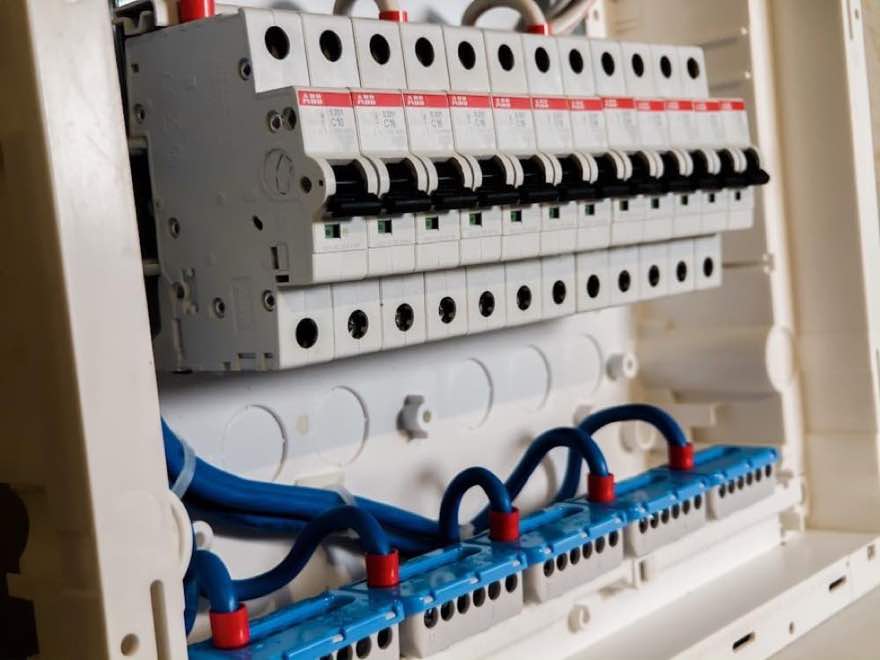
What it does not solve is capacity. The sub-panel draws through the main service, so total available power is unchanged. Adding one to a maxed-out service gives you somewhere to land breakers the service cannot feed. That reads as a win at installation and shows up later as nuisance tripping on the main, or as a service loaded beyond what it was calculated for. Whether your service has headroom is a separate question, settled by a load calculation rather than by counting breakers.
When a Livermore Home Actually Needs an Electrical Sub-Panel
Five situations account for nearly all legitimate residential sub-panels, and smart home buildouts increasingly add a sixth by concentrating controlled circuits in one place.
- An ADU or converted living space. A separate dwelling area needs its own distribution, and running every ADU circuit back to the main house panel is impractical.
- A detached garage, shop or studio. One feeder out to the structure and a panel there beats trenching multiple circuits, and the code structure assumes this approach.
- A cluster of high-load appliances. A kitchen going all-electric, or a garage with an EV charger and shop equipment, concentrates demand. One feeder and a local panel beats four long home runs.
- Distance from the main panel. Voltage drop and wire cost both scale with length, so beyond a certain run a sub-panel with local branches is cheaper and better.
- A main panel out of spaces. Sometimes tandem breakers solve it. Sometimes the main cannot accept more and a sub-panel is the practical route.
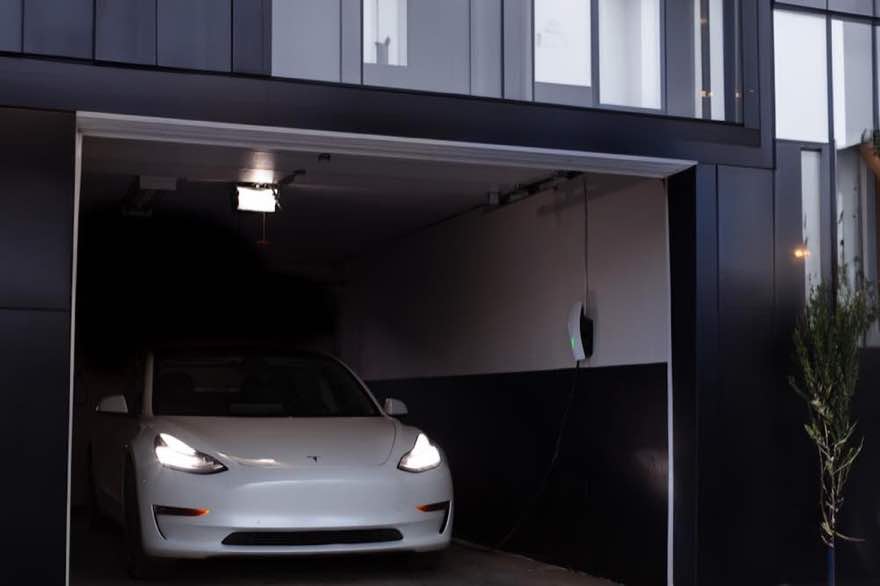
The high-load list in a modern remodel is longer than it was: EV charging, heat pump water heaters, heat pump HVAC, induction ranges, spas, pool equipment, shop tools. Each is a substantial dedicated circuit, and the sub-panel conversation comes up so often now because households add several within a few years. EV charger installation in Livermore is the most common single trigger.
Solar and battery storage interact with this too. Inverter backfeed has its own rules about where it can land and how much a panel’s busbar can accept, so solar plans belong in the same conversation rather than a later one.
ADUs: Where the Load Calculation Decides
California has made ADUs far easier to build, and the electrical question is usually the least discussed part of the project.
There are two routes. The ADU can be fed from the existing house service through a sub-panel, or take its own separate utility service. The first is faster and cheaper and only works if the existing service has capacity for the added dwelling once calculated. The second removes that constraint and brings utility coordination, timeline and cost of its own.

Which is available is decided by a load calculation covering the main dwelling plus the ADU, not by an estimate, and that calculation is what the plan reviewer wants to see. If the number comes back over, a service upgrade comes before the ADU work rather than instead of it, and that sequencing matters because it involves PG&E.
Detached Garages and Shops: the Requirements That Catch People
Feeding a detached structure is where sub-panel work gets technical, and where unpermitted installations most often fail.
The feeder must be four wires: two ungrounded conductors, a grounded neutral and an equipment grounding conductor. Three-wire feeders are not permitted for new installations, which matters because plenty of older detached garages were wired that way and people assume a replacement can match it.
A sub-panel at a detached structure needs its own grounding electrode system, meaning ground rods or a concrete-encased electrode, connected to the sub-panel’s ground bar. The equipment grounding conductor coming out with the feeder does not satisfy this. A sub-panel inside the same building does not need its own local electrode, which is exactly why people carry the wrong assumption across from one job to the other.
A detached structure also generally needs a disconnecting means at the structure itself, so power can be killed there rather than only back at the house. Feeder burial depth, conduit or cable type and the trench are all specified and inspected. None of this is exotic, it is just a longer list than homeowners expect.
The Two Code Points Unpermitted Work Gets Wrong
If you take one technical thing from this, take this pair. They are the most common defects in sub-panels installed without a permit, and they are invisible behind a closed cover.
Neutral and ground must be separated at a sub-panel. The neutral bar sits isolated from the enclosure on insulated standoffs, the ground bar is bonded to the enclosure, and the two must not be connected. Neutral-to-ground bonding happens at exactly one place in the system, the main service.
The bonding screw has to come out. Panels ship with a green bonding screw or strap that ties the neutral bus to the enclosure, because a panel can be used as either a main or a sub. Used as a sub-panel, that screw must be removed. Leaving it in creates a second neutral-to-ground bond and is one of the most common installation errors there is.
This is not a code technicality. A second bond puts normal neutral current onto equipment grounding conductors and onto metal meant to be at zero potential, which defeats part of what the grounding system is for and can energize things people touch. It also makes ground-fault protection behave unpredictably.
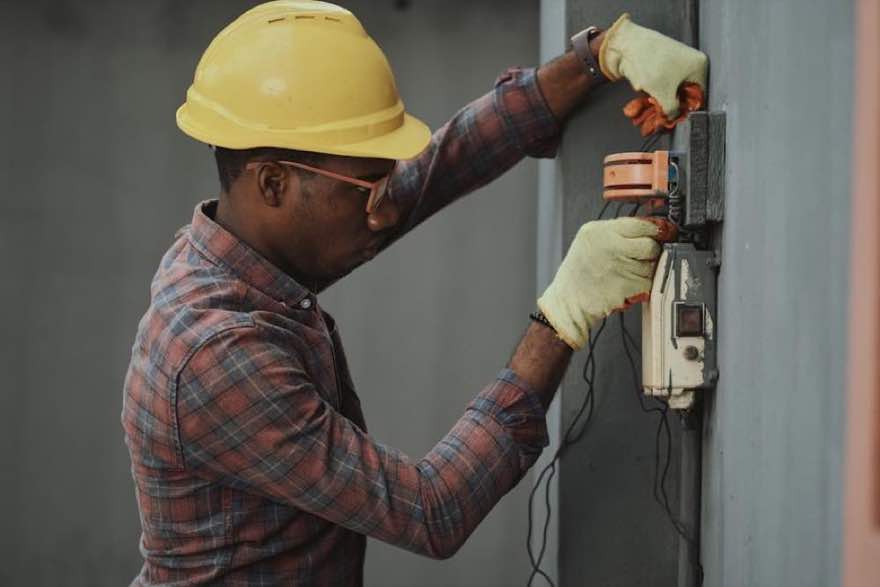
This is why panel work is permitted and inspected, and the clearest argument for a licensed residential electrician over a handyman on anything involving a panel.
Sub-Panel or Service Upgrade? How to Tell
The honest triage, since these get confused constantly.
| The Situation | What It Points To | Why |
|---|---|---|
| Sub-panel | Your service has calculated headroom and the problem is physical | No breaker spaces left, circuits needed at a detached structure, or several heavy loads concentrated far from the main panel. |
| Service upgrade | The load calculation shows demand approaching or exceeding supply | The main breaker trips under combined load, or you plan to add two or three major loads at once. |
| Both | A normal outcome, not an upsell | An all-electric remodel with an EV charger and an ADU frequently needs more capacity and a second panel to distribute it. |
What settles it is a load calculation on your actual house and plans, and anyone quoting a sub-panel without asking what you are adding has skipped that step.
Key Takeaways
- A sub-panel adds breaker spaces and local distribution. It does not increase your home’s available power.
- Adding one to a service already at its limit relocates the problem instead of solving it.
- A load calculation, not a breaker count, determines whether you need a sub-panel, a service upgrade or both.
- ADUs can be fed through a sub-panel or take a separate utility service, and the calculation decides which is available.
- Feeders to a sub-panel must be four-wire. Three-wire feeders are not permitted for new installations.
- A sub-panel at a detached structure needs its own grounding electrode system. The feeder’s grounding conductor does not substitute.
- Neutral and ground must stay separated at a sub-panel, and the factory bonding screw must be removed.
- A second neutral-to-ground bond puts current on grounded metal and compromises fault protection, which is why this work is permitted and inspected.
Frequently Asked Questions
Will a sub-panel give my house more power?
No. A sub-panel is fed from your existing main service, so total available power is exactly what it was. It gives you more places to connect circuits and brings distribution closer to the load. If you need more power, that is a service upgrade, and a load calculation shows which your situation calls for.
Can I add a sub-panel for an ADU, or does the ADU need its own service?
Either can work. Feeding the ADU through a sub-panel off the existing service is usually faster and less expensive, and it requires the existing service to have capacity for the combined load. A separate utility service removes that constraint but adds utility coordination, cost and time. The load calculation covering both the house and the ADU determines what is actually available to you.
Does a sub-panel in a detached garage need a ground rod?
It needs a grounding electrode system at that structure, which is commonly ground rods or a concrete-encased electrode, connected to the sub-panel’s ground bar. Running an equipment grounding conductor with the feeder does not satisfy this requirement. A sub-panel inside the same building as the main panel does not need its own local electrode, which is where the confusion usually comes from.
Why does the bonding screw have to be removed?
Because neutral and ground are bonded together at exactly one point in the system, the main service. Panels ship with the bonding screw installed since the same panel can serve as a main or a sub. Left in place at a sub-panel, it creates a second bond, which puts neutral current onto equipment grounding conductors and onto metal that should be at zero potential, and it interferes with fault protection working as intended.
Do I need a permit for a sub-panel in Livermore?
Yes. Panel and feeder work is permitted and inspected, and that is where neutral-ground separation, feeder sizing, grounding electrode and clearances get verified. Unpermitted panel work also tends to surface during a home sale or insurance inspection, at a worse moment and a higher cost.
Deciding on an Electrical Sub-Panel in Livermore
The useful question is never “should I add an electrical sub-panel.” It is whether your problem is distribution or capacity, because the two have different answers and only one of them is a sub-panel.
Planning an ADU, Garage Conversion or All-Electric Remodel?
Golden Electrical handles residential electrical work across Livermore, including panel and sub-panel installation, EV charging and the load calculations that tell you which route your project needs. Have the calculation done before the design is locked.