
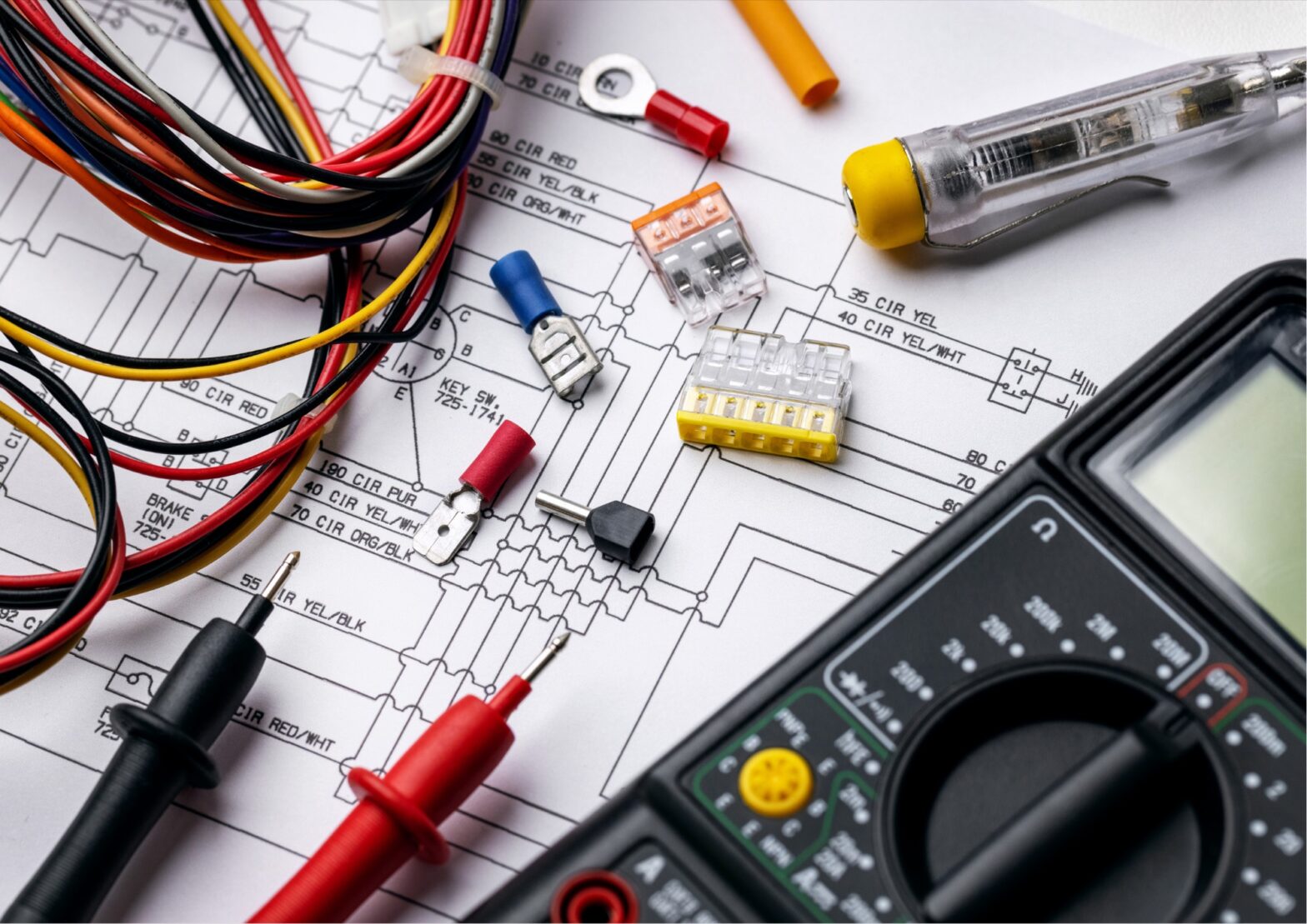
An electrical safety inspection is one of the few home services where most people have no idea what they are buying. The electrician arrives, spends a couple of hours, and hands over a report, and what happened in between decides whether the report is worth anything. Here is the actual scope and the findings most likely to change what you do next.
A proper inspection starts outside at the service entrance, takes the cover off the main panel, then works through branch circuits, receptacles and switches, GFCI and AFCI protection, grounding and bonding, and smoke and CO alarms. It ends in a written report with findings prioritized by whether they are a safety hazard, a code update, or simply something to know about. Two findings change the conversation most: a panel brand insurers flag by name, and older wiring methods like knob-and-tube or aluminum branch circuits.
Why Homeowners Get One
Four situations account for almost all of them. A purchase or sale is most common, usually after a general home inspection flagged something electrical. Insurance is second and increasingly the most urgent, because carriers have become specific about what they will write. Third is before a major addition, a solar install or EV charger installation. Fourth is age, whether you have just taken on an older home or simply own one past roughly forty years.
Livermore’s housing stock makes the age cases especially relevant, because much of it was built in the decades that produced both the problem panel brands and the aluminum branch wiring era.
What Happens During an Electrical Safety Inspection
The sequence runs outside in.
- The service entrance. Starting at the meter: the service drop or lateral, the mast and weatherhead, the condition of service conductors where they enter, and the grounding electrode conductor and its connection. Problems here affect everything downstream and are often visible from the ground.
- The main panel, with the cover off. The heart of it, and an inspection that never opens the panel is not an inspection. Checked: breaker condition and whether the breakers are listed for that panel, since mixing brands is one of the most common defects found. Double-tapped breakers, where two conductors share a terminal rated for one. Neutral and ground bonding, which belongs at the main service and nowhere else. Bus condition and lug tightness, labeling and working clearance. And the evidence that matters most: discoloration, scorching or melted insulation, meaning arcing or sustained overheating.
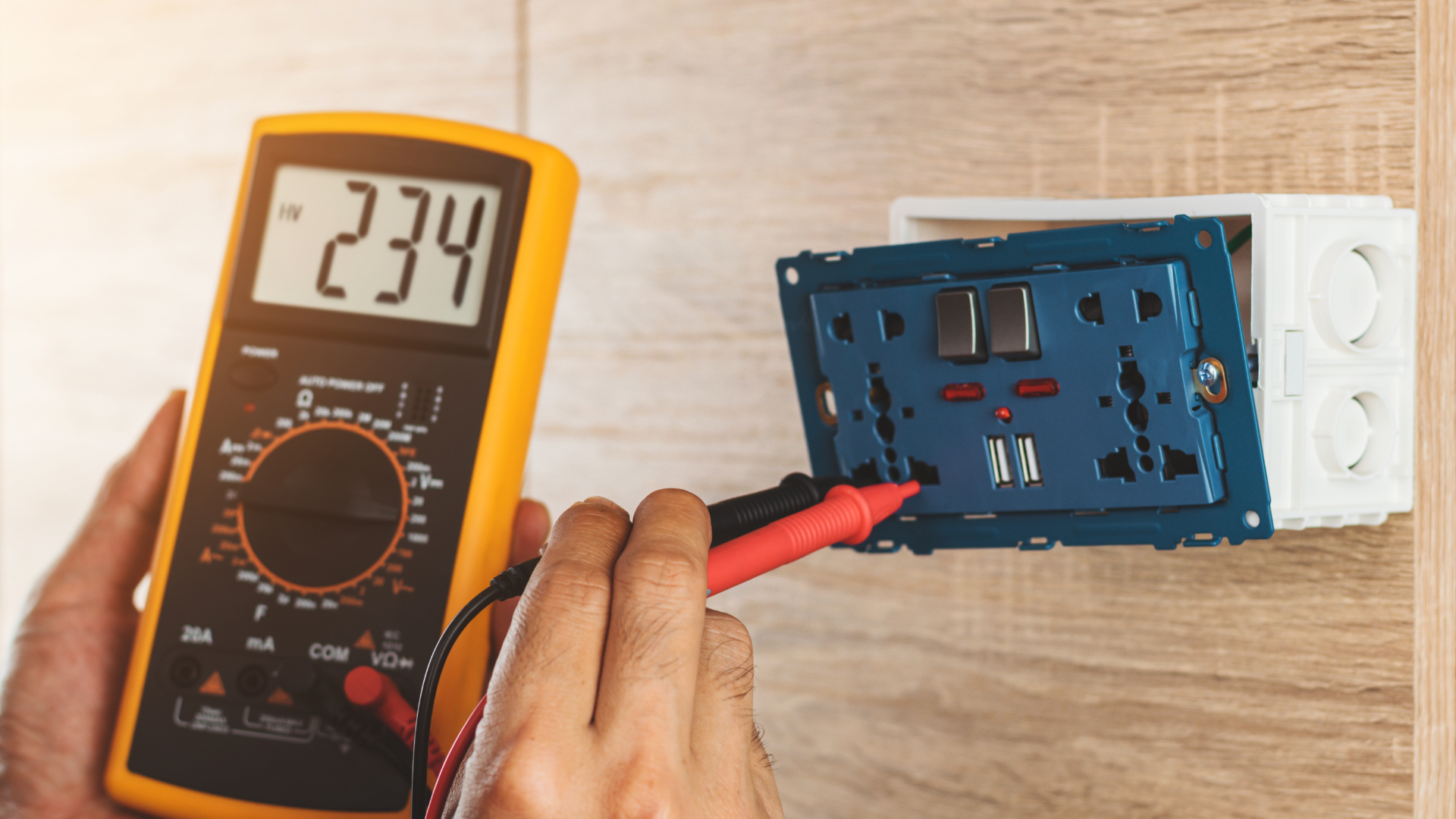
- Branch circuits, receptacles and switches. Tested throughout the house rather than eyeballed, since testing finds reverse polarity, open grounds and open neutrals, none of which are visible. Also loose devices, missing covers, overfilled boxes and ungrounded two-prong receptacles.
- GFCI and AFCI protection. Every required location identified and every device tested, since a GFCI that will not trip on test is protecting nothing. Required locations include bathrooms, kitchens, garages, laundry, outdoors and near sinks. Arc-fault protection is newer, and its absence in an older home is a code-update finding rather than a hazard.
- Grounding and bonding. Whether the system is actually grounded, and whether metal water piping and gas piping bonding are handled correctly. The least visible part of the system and the part most often found wrong.
- Smoke and CO alarms. Placement, age and function. Alarms have a service life and expire whether or not they still chirp, and they are the cheapest finding to resolve.
- Outdoors and garage. Weatherproof and in-use covers, exterior receptacle protection, outdoor runs, and garage circuits, which increasingly carry loads nobody planned for.
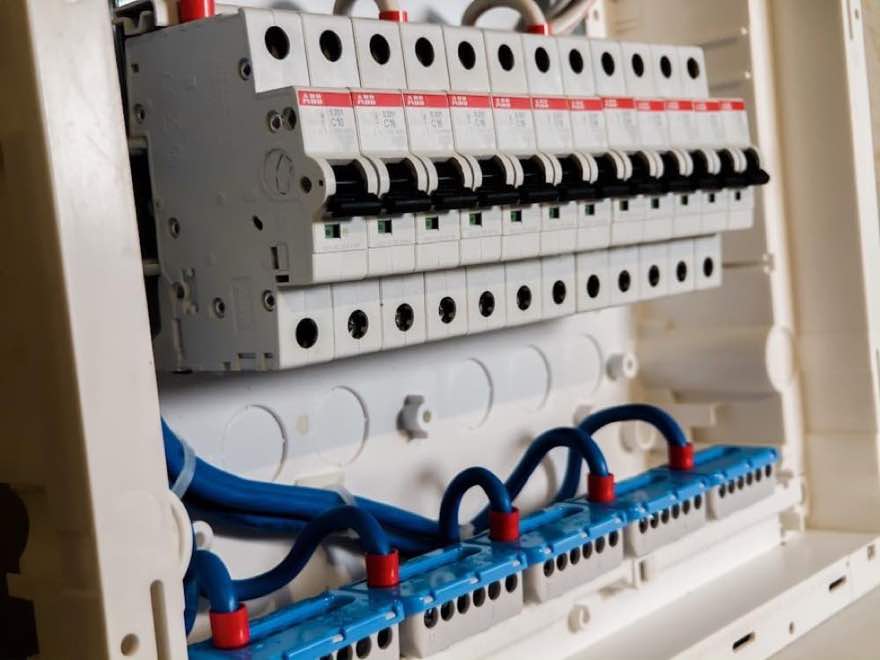
Smart controls and automation get checked against the same standards, since a smart home install does not exempt the wiring behind it.
The Panel Brands That Change the Conversation
If your panel carries one of three names, this stops being a routine report, and the reason is worth understanding properly rather than as a scare story.
Federal Pacific Electric, the Stab-Lok line, went into millions of homes from roughly 1950 to 1985. In 1980 the company that had acquired FPE reported to the Consumer Product Safety Commission that many breakers did not fully comply with UL requirements, and CPSC testing confirmed some failed UL calibration tests, which verify that a breaker trips on time during an overload. A 2002 New Jersey court decision found fraud in applying UL labels to breakers the manufacturer knew had not met testing. Worth stating plainly: CPSC closed its investigation in 1983 without a safety determination and there was never a recall, so whether these breakers are unsafe as a class remains contested.
Zinsco, and Sylvania-Zinsco after 1973, has a described failure mechanism rather than a regulatory history. Breakers connect to the bus through an aluminum clip that can lose contact as it heats and cools, leading to arcing, and the aluminum bus can corrode. The failure mode that matters is arcing welding a breaker to the bus so it cannot trip. This rests on insurer loss-control guidance rather than a CPSC investigation.
Challenger is the narrowest case. In 1988 the company offered free replacement of around 9,000 specific GFCI breakers whose internal part could detach and disable ground-fault protection, covering those breakers rather than Challenger panels generally. The equipment is discontinued and some carriers now treat it as obsolete.
The practical point sits above the technical debate. Insurers frequently flag these by brand name rather than by your panel’s condition. That typically means an electrician’s evaluation confirming brand and condition, a deadline to replace, a higher premium until you do, or difficulty getting a policy. Accepted documentation is usually a replacement invoice, permit sign-off or a letter from the electrician, and for FPE and Zinsco, swapping individual breakers generally does not satisfy a carrier because the concern is the panel.
So the honest answer is not that your house is about to burn down. It is that you may be unable to insure it on the terms you want until the panel is replaced, and that cost is real regardless of where the engineering argument lands.
Wiring Methods an Inspection Looks For
Three older methods come up repeatedly, each meaning something different.
- Knob-and-tube is pre-1950s and ungrounded by design. Its presence is not automatically a hazard, but the insulation is at the end of its life, it fails badly when buried in insulation, and insurers are often unwilling to write around it.
- Aluminum branch wiring from roughly 1965 to 1973 is the one most relevant to Bay Area tract housing. The issue is at the connections rather than the wire: aluminum expands, contracts and oxidizes differently from copper, so terminations loosen over time. It does not require rewiring the house. Recognized remediation treats the connections with approved connectors, far less invasive than replacement, and it is the finding worth asking about specifically.
- Ungrounded two-prong circuits and cloth-insulated cable are common at a certain age. These are usually code-era findings rather than emergencies, though ungrounded circuits limit what you can safely plug in.
What You Get at the End
The deliverable is a written report, and its quality is in how it sorts findings rather than how many it lists. A useful report separates three categories.
| Finding Type | What It Means | How Urgent |
|---|---|---|
| Safety hazard | Could cause a fire or shock now | Addressed without debate |
| Code update | Compliant when built, would not be today | Information rather than an emergency |
| Capacity and planning | Whether the system supports what you want to add | A separate question with its own answer |
Ask for the report in that structure. A flat list of thirty findings gets filed and ignored, because it leaves you unable to tell the urgent from the merely noted.
What an Inspection Is Not
Three boundaries, since confusing these creates gaps. It is not a permit inspection: a municipal inspector signs off specific permitted work against the code it was permitted under, while a safety inspection assesses the whole existing system and carries no regulatory authority.
It is not the electrical portion of a general home inspection, which covers everything at surface level and typically recommends a specialist when something electrical looks wrong. And it is not a repair visit. Small items often get corrected on the spot, but the purpose is assessment and anything significant gets quoted rather than fixed. Something needing fixing now is emergency work rather than an inspection.
Key Takeaways
- A real inspection takes the main panel cover off. One that does not is a walkthrough.
- Scope runs service entrance, panel, branch circuits and devices, GFCI and AFCI, grounding and bonding, alarms, then outdoors.
- Receptacles get tested, not looked at, since reverse polarity, open grounds and open neutrals are invisible.
- Breakers not listed for their panel, and double-tapped breakers, are among the most common defects found.
- Federal Pacific Stab-Lok, Zinsco and Challenger panels change the conversation, mostly because insurers flag them by brand rather than condition.
- On FPE, CPSC confirmed some breakers failed UL calibration tests but closed its 1983 investigation with no determination and no recall.
- Aluminum branch wiring from about 1965 to 1973 is a connection problem with recognized remediation, not a reason to rewire.
- A good report sorts findings into safety hazards, code-update items and capacity planning rather than listing everything flat.
Frequently Asked Questions
How long does an electrical safety inspection take?
For a typical single-family home, a couple of hours is normal, longer for larger homes, older systems or multiple panels. The time goes into opening the panel, testing devices throughout the house rather than sampling one or two, and verifying grounding and bonding. A thirty-minute visit has not covered the scope.
Does my insurance company require an electrical inspection?
It depends on your carrier, the age of the home and what is in it. Carriers have become specific about panel brands, knob-and-tube and aluminum branch wiring, and some require an electrician’s evaluation before writing or renewing. Your carrier is the authority on your policy, so if they have asked for documentation, find out what form they accept before booking work.
Is a Federal Pacific or Zinsco panel an emergency?
Not usually, and the honest framing matters. CPSC closed its FPE investigation without a safety determination and there was never a recall, so claims that these panels are certain to fail overstate what is established. What is concrete is that many insurers flag them by name, meaning a replacement deadline, higher premium or declined policy. Signs of heat or arcing inside any panel are a different matter and should be looked at promptly.
Do I need to rewire if I have aluminum branch wiring?
Generally no. The problem is at the terminations rather than the conductor, so recognized remediation treats the connections with approved connectors rather than replacing wiring, which is far less invasive and less expensive than a rewire. Ask which remediation method is being proposed, since approaches differ.
Booking an Electrical Safety Inspection in Livermore
The value of an electrical safety inspection is almost entirely in its thoroughness and how the report is organized. Panel open, devices tested, grounding verified, findings sorted by urgency rather than listed flat.
Had an Insurer Ask About Your Panel?
Golden Electrical provides residential electrical service as a licensed Livermore electrician, including safety inspections, panel work and load calculations, alongside its other services. If an insurer has asked for documentation, or you have just taken on an older home, get in touch and say what prompted it so the inspection is aimed at the right question.