
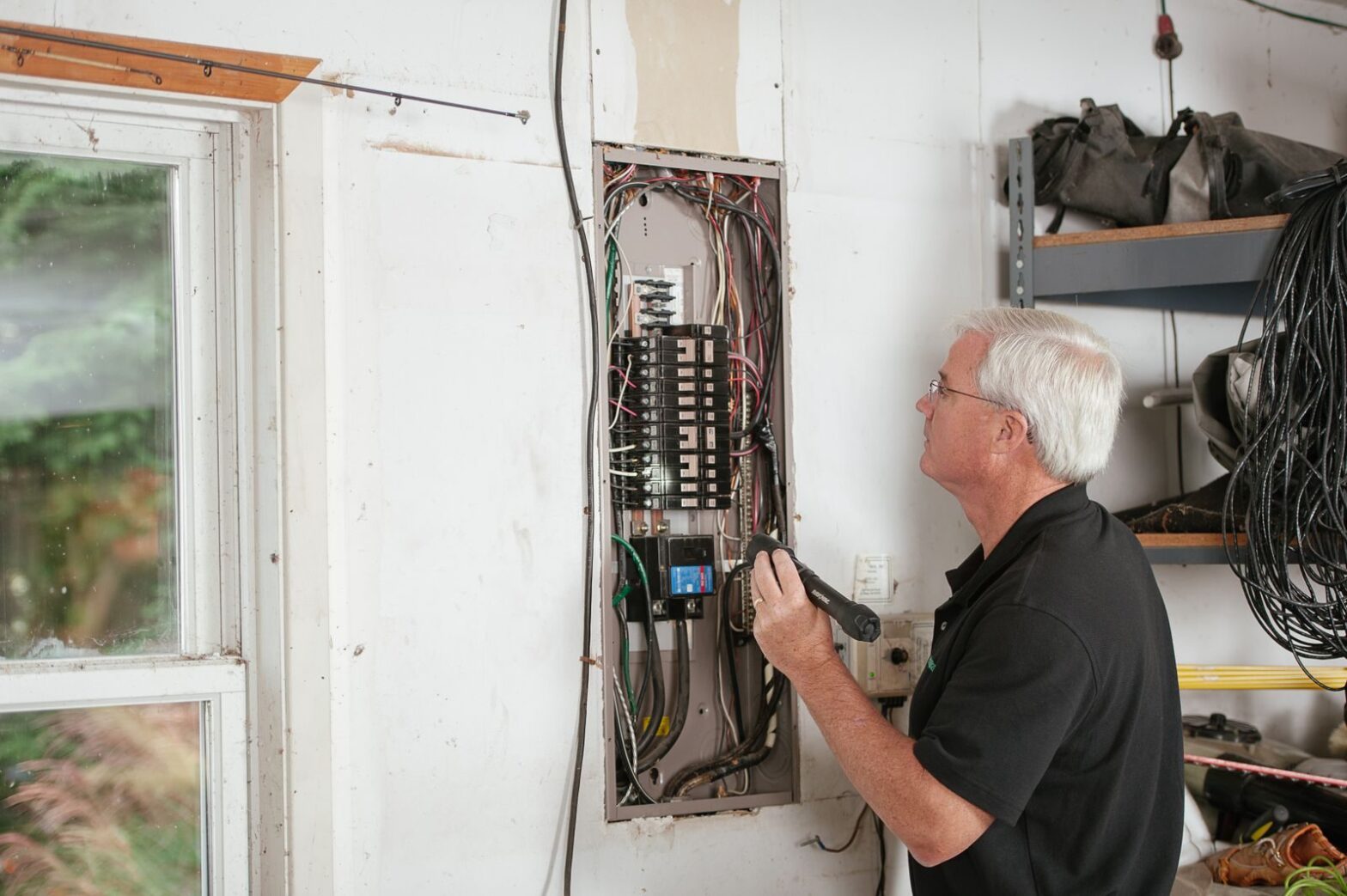
The letter arrives from your insurance company and it is not a bill. It says your policy will not be renewed, or that it will be renewed only if you replace your electrical panel, and it gives you a deadline measured in weeks. For most Livermore homeowners this is the first time anyone has suggested there is anything wrong with a panel that has worked fine for thirty years. Here is what is actually happening, and what your options are.
California insurers have been tightening up on older electrical panels and older wiring for roughly two years, and the pace has picked up sharply in recent months. It usually shows up one of two ways: a non-renewal letter, or an inspection at renewal where someone photographs your panel inside and out. Carriers give two reasons — certain panels are treated as a fire risk, and age alone past a couple of decades. Deadlines are commonly 60 days, though 30 and 90 both happen. You generally have three options: replace the panel, shop for another carrier, or stay and pay a significantly higher premium.
What Carriers Are Actually Doing
This is a market shift rather than a rule change you missed. Insurers writing homeowners policies in California have been pulling back from older electrical systems, and the panel is the single easiest thing for them to assess. It is in a fixed location, it has a brand name on it, and it can be photographed in thirty seconds.
It has been building for about two years. What has changed recently is the volume — the letters and inspection requests have ramped up noticeably in the last few months, and they are now a routine part of renewal season rather than an occasional surprise.
The important thing to understand is that this is rarely about your specific panel’s condition. In most cases nobody has opened it. The decision is being made on brand and age from the outside.
How It Shows Up
There are two common paths, and which one you get matters.
- A non-renewal letter. The carrier tells you the policy ends on a given date. Sometimes the letter names the panel directly; sometimes it is vague and you have to call to find out what triggered it.
- An inspection at renewal. Increasingly common. Someone comes to the house and photographs the electrical panel inside and outside, along with the rest of the property. The decision comes afterward, based on those photos.
A third path catches buyers: the issue surfaces during a purchase, when the new policy is being written. That is the worst version, because the deadline starts immediately and you are already spending money on the house.
The Two Reasons Carriers Give
When you call and ask why, the answer is almost always one of two things, and often both.
- The panel is treated as a fire hazard. This applies to specific brands with a history of failure claims. It is a category judgment about the equipment, not a finding about your installation.
- Age. One broker working this market reports carriers treating anything past roughly 25 years as due for replacement, independent of brand or condition. Thresholds vary between carriers, so the number you are quoted may differ.
Older wiring methods get flagged on the same basis — knob-and-tube in particular, and ungrounded branch circuits in some cases. If your home has both an older panel and older wiring, expect the conversation to cover both.
Which Panels Get Flagged
Carriers maintain their own lists and they do not all match, so the only authoritative answer is the one your carrier gives you in writing. That said, three brands come up repeatedly:
- Federal Pacific Electric, the Stab-Lok line, installed in millions of homes from roughly 1950 to 1985.
- Zinsco, and Sylvania-Zinsco after 1973.
- Challenger, which is discontinued and now treated as obsolete by some carriers.
The regulatory history behind these brands is more nuanced than the way insurers apply it, and it is worth understanding before you panic or overpay. We covered it properly in our guide to what an electrical safety inspection covers, including what the Consumer Product Safety Commission did and did not conclude.
For insurance purposes, though, the nuance mostly does not help you. Carriers flag by brand name rather than by condition, so the practical question is not whether the engineering debate is settled — it is whether you can keep your policy.
The Deadline Is Shorter Than People Expect
This is where homeowners get caught. The letter is not asking you to plan a project this year.
| Deadline | How Common | What It Means Practically |
|---|---|---|
| 30 days | Happens, usually on a purchase | Very tight. Permit, scheduling and a utility disconnect all have to land inside a month. |
| 60 days | Most common | Workable if you start immediately. Do not spend three weeks deciding. |
| 90 days | Happens | Comfortable, provided you book the work rather than just intending to. |
One recent example makes the pressure concrete: a homeowner who had bought their house a couple of months earlier was told to upgrade within 30 days, at a cost in the range of $10,000 to $15,000. That is a real figure for a full panel replacement, and the window left no room to shop around slowly.
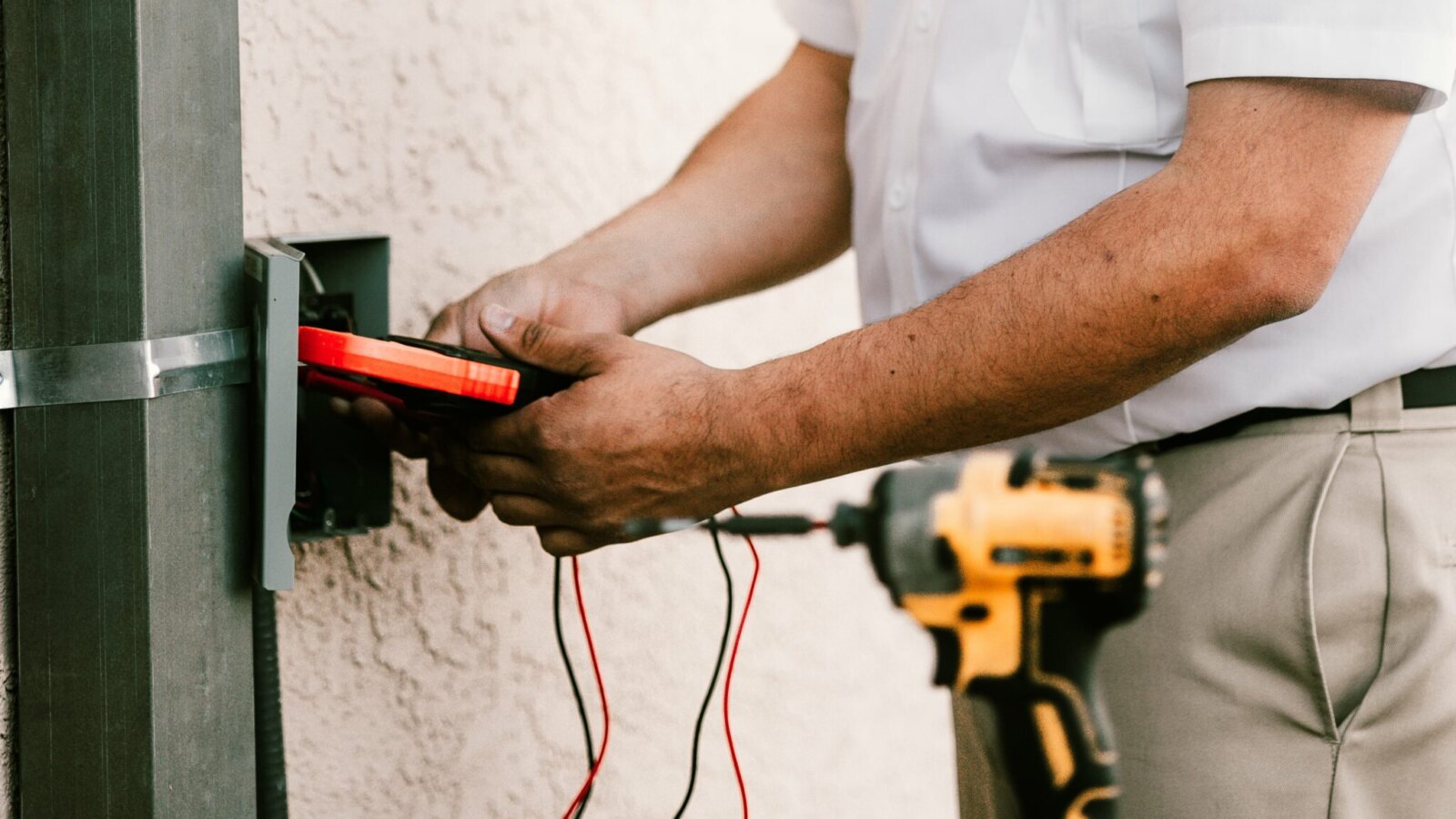
A panel replacement is permitted work and usually involves coordinating a utility disconnect and reconnect. The electrical work itself is often a day. The scheduling around it is what consumes the deadline. If you have received a letter, get the assessment booked in the first week rather than the last.
Your Three Options
There is no fourth one, and it is worth being honest about the trade-offs.
- Replace the panel. Ends the problem permanently, satisfies the carrier, and is the only option that also addresses the underlying safety question. It is also the one with real upfront cost. Carriers typically accept a replacement invoice, a permit sign-off, or a letter from the electrician as documentation — ask yours which form they want before the work starts.
- Shop for another carrier. Sometimes works, particularly if the trigger was age rather than a flagged brand. The risk is that you spend the deadline shopping, find the same answer from the next three carriers, and arrive at the replacement with less time.
- Stay and pay more. Some carriers will keep covering the home at a substantially higher premium. Brokers working this market report premiums roughly doubling in some cases. Worth running the arithmetic: a higher premium is permanent and recurring, where a replacement is once.
Swapping individual breakers generally does not satisfy a carrier when the concern is the panel itself, so that shortcut is not available here.
If Your Neighbors Got the Same Letter
This is worth checking, because it is more likely than it sounds.
Tract neighborhoods and HOA communities were built in the same window, by the same builder, with the same electrical equipment throughout. If your home has a flagged panel brand, a good number of the homes around you almost certainly have the identical panel. Carriers work through their books geographically, so neighbors frequently receive their letters within weeks of each other and discover the overlap in a community Facebook group or at an HOA meeting.

When that happens there are practical advantages to handling the work together rather than each household arranging it separately. Scheduling several replacements in the same street or community means fewer separate mobilizations, tighter coordination with the utility, and far less back-and-forth for everyone involved — which matters when several households are working against the same 60-day window.
If you are on an HOA board, or you simply know that several neighbors received the same letter, it is worth asking about coordinating the work as a group before everyone books independently. The same logic already applies to other shared-infrastructure projects in these communities, such as EV charger installation for condos and HOAs.
Key Takeaways
- California carriers have been tightening on older panels and wiring for about two years, and sharply in recent months.
- It arrives as a non-renewal letter or as an inspection at renewal where the panel is photographed inside and out.
- The two reasons given are that the panel brand is treated as a fire risk, and that the equipment is past a certain age.
- Federal Pacific Stab-Lok, Zinsco and Challenger come up most often, but carrier lists vary — get yours in writing.
- Deadlines are most commonly 60 days, with 30 and 90 both occurring. Purchases tend to get the shortest windows.
- A full panel replacement commonly runs in the $10,000 to $15,000 range, and is permitted work involving a utility disconnect.
- Your options are replace, change carrier, or accept a higher premium — brokers report premiums roughly doubling in some cases.
- If neighbors in the same tract or HOA received the same letter, coordinating the work as a group is worth asking about.
Frequently Asked Questions
Can my insurer really cancel my policy over an electrical panel?
They can decline to renew it, which has the same practical effect. Non-renewal is not the same as mid-term cancellation, and the letter will give you a date. What it means is that you need either a replacement, a different carrier, or an agreement with your current one before that date passes.
My panel works fine. Why is it a problem now?
Because the decision is usually not about condition. Carriers are flagging by brand and by age, generally from photographs, without opening the panel. A panel can be functioning normally and still sit on a carrier’s list.
What documentation will my insurer accept?
Usually a replacement invoice, the permit sign-off, or a letter from the licensed electrician confirming what was done. Carriers differ, so ask yours exactly what they want before the work begins — it is a short phone call that prevents a second round of paperwork.
Can I just replace the breakers instead of the whole panel?
Generally not, when the carrier’s concern is the panel brand itself. Replacing individual breakers inside a flagged panel does not usually satisfy an underwriter, because what they have flagged is the equipment as a whole.
How long does a panel replacement actually take?
The work on site is often a single day. The schedule is driven by the permit and by coordinating the utility disconnect and reconnect, which is why a 60-day deadline is comfortable if you start in week one and tight if you start in week six.
Several of my neighbors got the same letter. Does that help us?
It can. Homes built in the same tract usually have the same panel, so the work is near-identical from house to house, and scheduling it together reduces the coordination burden for every household involved. If you are on an HOA board or organizing among neighbors, say so when you call so it can be planned as one project rather than several.
Getting a Panel Assessed in Livermore
If a letter has arrived, the first useful step is finding out exactly what your carrier flagged and what documentation they will accept. The second is getting eyes on the panel so you know what the replacement actually involves in your home. Both are quick, and both are far easier inside a 60-day window than a 20-day one.
Has Your Insurer Flagged Your Electrical Panel?
Golden Electrical handles electrical panel upgrades and replacements across Livermore as a licensed residential electrician, including the permit and utility coordination and the documentation your carrier needs. If neighbors or an HOA received the same notice, mention it and the work can be scheduled together.